iPhone Repairs: Frequent Problems and How to Resolve Them Quickly
iPhone owners commonly experience a range of issues that may disrupt their everyday activities. Frequent concerns involve connectivity difficulties, battery wear, and broken screens. Many of these issues can be addressed with basic troubleshooting measures. Nevertheless, understanding when to try a repair and when to consult an expert is crucial. Grasping these considerations can avoid additional damage and ensure devices stay operational. What are the most effective approaches to handle these frequent problems successfully?
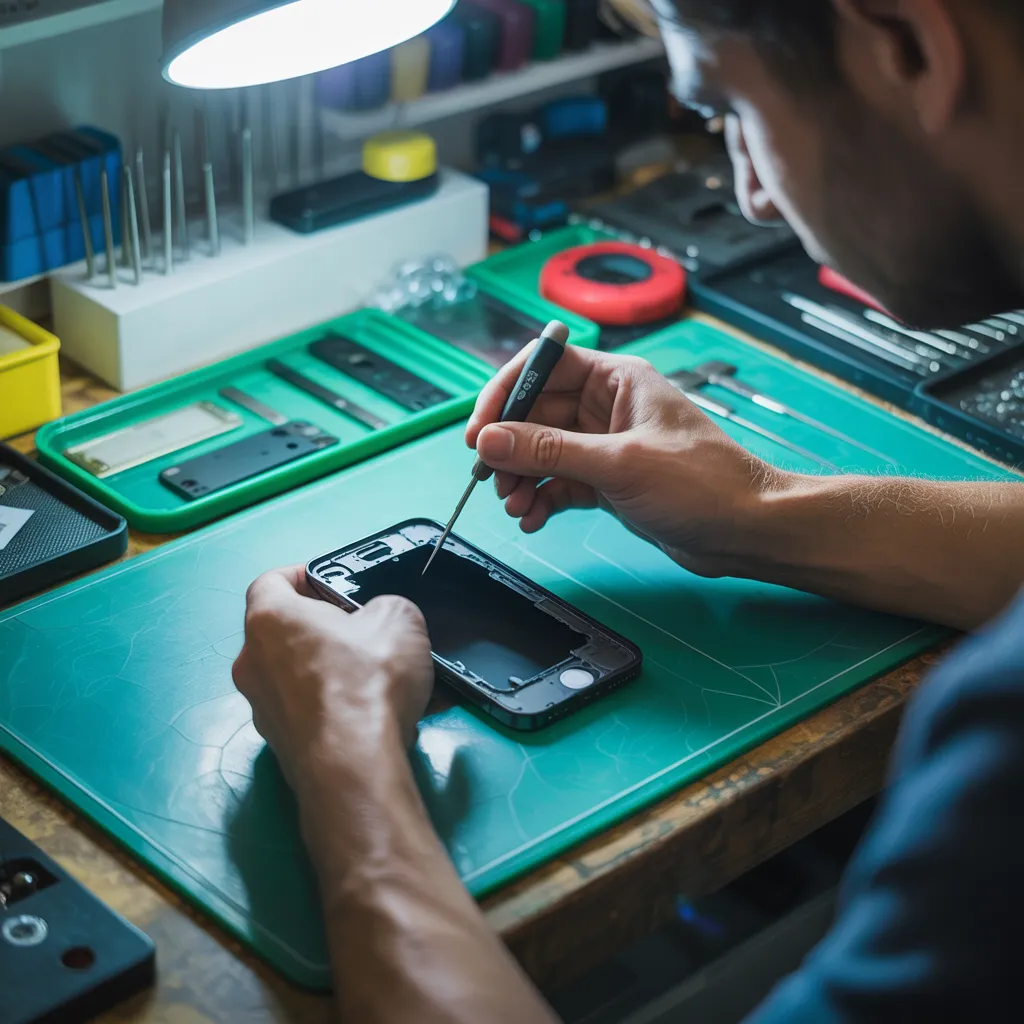
Frequent iPhone Issues You May Come Across
What common issues might iPhone users face? Numerous iPhone users face a range of issues that can interfere with their daily use. One prevalent issue is battery life degradation, often resulting in devices needing more frequent charging. Users may also face software glitches, such as apps crashing unexpectedly or the operating system becoming unresponsive. Connection challenges, encompassing disruptions to Wi-Fi, Bluetooth, or cellular networks, can result in users feeling helpless and cut off.
One other prevalent problem relates to storage space, where users discover their devices are depleted samsung screen repair hengrove bristol of usable memory due to a buildup of apps, images, and various data. Furthermore, certain users experience challenges with the touchscreen, such as sluggish performance or failure to respond. Lastly, camera malfunctions, like blurry images or failure to open, can detract from the overall functionality of the iPhone. Resolving these problems quickly can improve user experience and extend the life of the device.
Rapid Repairs for Cracked Screens
Damaged screens can greatly affect the functionality of an iPhone, prompting users to seek quick solutions. One of the most common temporary fixes is to apply a screen protector, which can help prevent further damage and make the cracks less noticeable. In addition, placing clear tape over the screen can address sharp edges and minimize the likelihood of cuts.
For those who are comfortable with DIY methods, some users recommend using a blend of baking soda and water to create a paste that could help seal small cracks. Nevertheless, this technique offers no certainty and may only serve as a short-term fix.
Ultimately, the best solution continues to be professional repair or replacement. Many service centers offer rapid turnaround times, enabling users to restore their devices efficiently. Even though such temporary solutions can provide temporary relief, having a professional handle the issue is the most effective long-term approach for keeping the device functioning at its best.
Ways to Fix Charging Issues
Once screen damage has been resolved, numerous users face charging problems that can hinder device functionality. Frequent problems consist of a faulty charging port, damaged cables, or software malfunctions. To diagnose the problem, users should first inspect their charging cable and adapter for signs of visible damage. Using a separate cable or adapter may assist in identifying whether the problem originates from the accessories.
Next, clearing the charging port with a soft brush or compressed air can eliminate debris that could block the connection. Should the issue continue, a reboot of the device may resolve any temporary software issues.
In some instances resetting your device settings could also be useful, however this step should be taken with care. When nothing else seems to work, turning to professional repair services might be the best course of action. Resolving charging issues in a timely manner maintains ongoing device performance and helps prevent further damage.
Troubleshooting Battery Drain Issues
Battery consumption concerns can markedly impact the functionality of an iPhone. Pinpointing apps that use too much power is essential for tackling this concern successfully. Moreover, fine-tuning energy settings can contribute to extended battery duration and overall efficiency.
Find Apps That Are Draining Your Battery
Identifying battery-draining apps is vital for preserving the long-term performance of an iPhone. Users can initiate the process by opening the Settings app, choosing "Battery," and examining the battery usage data. This area identifies which apps use the most energy, providing information about possible offenders. Common offenders often include social media platforms, streaming services, and location-based applications. Furthermore, background processes can significantly impact battery life; thus, keeping track of apps that update in the background is crucial. Users ought to also evaluate updating or deleting apps that repeatedly exhibit high power usage without cause. By identifying these power-intensive apps, iPhone users can implement strategic measures to extend battery life and boost overall device performance.
Adjust Power Settings
Fine-tuning power options is crucial for addressing battery drain issues on an iPhone. Users can start by enabling Low Power Mode, which minimizes background processes and visual effects. Adjusting screen brightness and enabling Auto-Brightness can also help preserve battery life. In addition, turning off unnecessary notifications and background app refresh helps minimize power consumption. Users are encouraged to turn off location services for applications that have no need for it, as GPS usage can heavily drain the battery. Lastly, keeping the device updated to the newest iOS version can enhance battery optimization capabilities. By adopting these modifications, users can effectively enhance their iPhone's battery performance and extend its usage throughout the day.
Detecting and Correcting Common Software Errors
Software malfunctions can significantly affect the performance of an iPhone, leading to problems like app crashes and unresponsive screens. Understanding these typical problems is essential for users seeking efficient solutions. Fortunately, various quick fixes are often available to recover performance and improve the overall user experience.
Frequent Software Issues
Numerous iPhone users experience frequent software issues that can negatively impact their daily use. These glitches commonly present as frozen applications, sudden crashes, or slow performance. Users might additionally experience difficulties with network functions, like wireless or Bluetooth connections, which might unpredictably stop working. Furthermore, alerts may fail to display properly, leading to missed alerts. Operating system updates can at times create new issues, causing bewilderment and annoyance among users. One widespread problem relates to rapid battery depletion, where the device consumes power more rapidly than usual, often linked to background processes. Detecting these problems at an early stage allows users to find suitable remedies and sustain peak device operation. Gaining insight into these software issues is essential for effective troubleshooting and maintaining an uninterrupted user experience.
Quick Fixes Available
Handling software problems swiftly can substantially boost the complete iPhone experience. Typical quick fixes consist of resetting the phone, which often fixes slight glitches like locking up or app failures. Another effective remedy is refreshing the iOS, as updated versions offer bug fixes and refinements. Clearing the app cache can also prove beneficial, especially for apps that lag noticeably. For ongoing difficulties, resetting parameters—without wiping data—can recover functionality. Device users may also find value in securing important data and conducting a factory reset as a last resort. These quick fixes equip users to handle software bugs competently, decreasing downtime and enhancing the performance of their iPhones. Above all, remaining proactive can ensure a more consistent performance with the unit.
Situations That Call for Professional iPhone Repairs
When an iPhone exhibits ongoing problems that standard troubleshooting cannot fix, it may be advisable to consult a professional repair technician. Typical signs include regular crashing, unresponsive displays, or significant battery drainage. Should the device experience physical harm, including screen cracks or liquid damage, seeking prompt professional evaluation is recommended.
In addition, unexpected software performance, for instance apps freezing or failing to install updates, may signal more serious system complications that call for specialist involvement. Users are encouraged to pursue expert repair services should they face problems with essential features, such as the camera or connectivity features.
Endeavoring to address complex problems without proper knowledge can cause further damage or loss of data. Ultimately, recognizing when to engage professional help can save time, reduce frustration, and guarantee the iPhone is restored to peak functioning condition.
Quick Tips for Keeping Your iPhone Healthy
Maintaining an iPhone's health requires consistent effort and basic measures that can significantly improve its longevity. It is advisable to regularly update the software to benefit from security enhancements and new features. Periodically clearing out redundant apps and files can recover valuable storage capacity, boosting device performance. Ensuring the device remains clean on all levels is crucial; this involves polishing the screen and eliminating dust buildup in ports.
Proper battery maintenance is crucial; refraining from exposure to extreme temperatures and using partial charging cycles can extend battery longevity. Utilizing a screen protector and a sturdy case can safeguard against physical damage. Additionally, users should periodically back up their data to prevent loss in case of malfunction. Monitoring battery usage in settings helps identify resource-draining apps that can be optimized or deleted. By following these guidelines, iPhone users can keep their devices performing at peak efficiency and reliability for many years ahead.
Questions Our Clients Often Ask
Can I Repair My iPhone Myself Without Voiding the Warranty?
Servicing an iPhone on your own can void the warranty, particularly if non-certified parts or methods are utilized. Users should consult Apple's official guidelines or professional services to ensure warranty protection while handling technical issues efficiently.
What Are the Best Ways to Prevent Water Damage to My iPhone?
To safeguard an iPhone against water damage, one should use waterproof cases, avoid using the device in wet conditions, and guarantee all ports are sealed when exposed to moisture. Routine upkeep can also help reduce potential risks.
What Are the Warning Signs That My iPhone Battery Needs Replacing?
Signs that an iPhone needs a battery replacement include fast battery drain, abrupt shutdowns, overheating, a bulging casing, and degraded performance. Owners may also observe extended charging times or the device refusing to charge entirely.
How Regularly Should I Update My iPhone's Software?
Upgrading iPhone software should occur on a consistent basis, preferably every few weeks or when a new version becomes available. This provides peak performance, improved security, and the opportunity to explore new features, ensuring the device operates efficiently and securely.
Can Third-Party Accessories Impact My iPhone's Performance?
Employing third-party accessories could potentially influence iPhone functionality. Compatibility issues or inferior quality might cause device malfunctions, decreased efficiency, or potential damage, highlighting the necessity of opting for trustworthy accessories for peak device functionality.